
How does domestic abuse affect mental health?
Written by Laura Longworth
Clinically reviewed by Asst. Psych Jasmine Leyland
23 October 2026
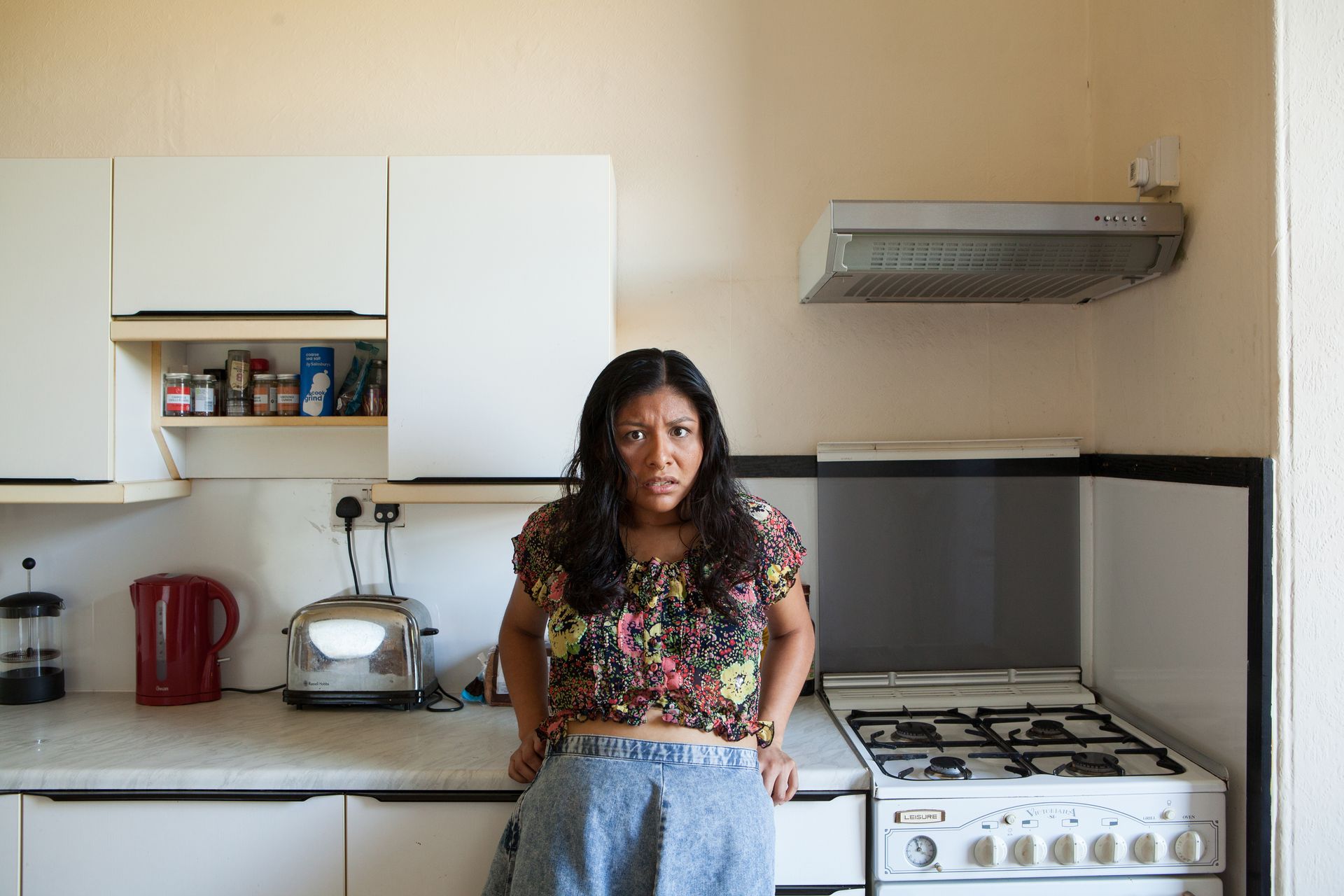
Domestic abuse erodes a victim's mental health over time.
Yet, stigma and victim-blaming often deter survivors from seeking the support they deserve.
It's a myth that victims "bring abuse upon themselves" due to pre-existing mental health struggles. In reality, physical, emotional, or financial abuse, including grooming and coercive control, directly causes psychological trauma, leading to severe conditions like anxiety, depression, and PTSD.
Anyone can be a victim, and anyone can be an abuser. The emotional toll on survivors often lasts long after a relationship has ended, sometimes driving individuals to self-harm or suicidal thoughts.
How does domestic abuse affect mental health?
While abuse creates a range of complex emotions, here are several common mental health conditions survivors experience:
Anxiety disorders - Living in constant fear can trigger social anxiety, panic attacks, and Generalised Anxiety Disorder, making everyday life feel overwhelming.
Depression - Being continuously belittled, threatened, harassed, and controlled shatters self-esteem, leaving survivors feeling exhausted, hopeless, and depressed.
Post-traumatic Stress Disorder - PTSD can develop following a single traumatic incident, leading to terrifying flashbacks, intrusive memories, hypervigilance, and intense distress and anxiety.
Complex-PTSD - Complex PTSD is a related but distinct condition from PTSD that most commonly develops following prolonged or repeated trauma, such as sustained domestic abuse. Prolonged manipulation, violence, and control keeps survivors trapped in "survival mode" long after escaping. Reminders of the abuse can trigger sudden fear or irritability, making it harder to manage daily life and build trust in new relationships.
What other challenges do survivors face?
Even after leaving an abusive environment, relief can feel short-lived, leading some survivors to question their decision. Starting over can feel overwhelming. Survivors may experience:
Isolation and grief - Feeling lonely after being separated from loved ones, or grieving lost friends, jobs, and independence.
Financial stress - Anxiety surrounding money if an abuser stopped them from working or managing finances.
Legal and family pressures - Navigating stressful custody battles, court processes, and worries over their children's wellbeing.
How do abusers weaponise mental health?
Abusers often use a partner's mental health as a tool for control both during and after the relationship. Common tactics include gaslighting, deliberate confusion, withholding essential medication, or labelling the victim as "crazy" to undermine their credibility with family, friends, or authorities.
Getting help for domestic abuse
Healing takes time. You deserve support, patience, and compassion. Be kind to yourself as you navigate recovery and don't rush to make big changes. It's never too late to reconnect with loved ones or build a new support network.
Support is available, and you don't need to deal with this alone.
Immediate danger - If you are in an emergency, please call 999.
Planning to leave - Leaving an abuser can be the most dangerous time. Seeking expert guidance is vital. You can speak confidentially with the National Domestic Abuse Helpline, 24/7, on 0808 2000 247.
After leaving - When you feel ready, speaking to your GP or working with a trauma-informed therapist can help you process past events at your own pace in a safe environment.
Ongoing non-judgemental support is also available from:
Women's Aid: www.womensaid.org.uk
Mankind Initiative: Free helpline - 0808 800 1170 or www.mankind.org.uk
Galop: Specialist support for LGBTQ+ survivors of domestic abuse - 0800 999 5428 or www.galop.org.uk
Rights of Women: Free legal advice to women experiencing domestic violence - www.rightsofwomen.org.uk
Victim Support: Support for victims of crime - 08 08 16 89 111 or www.victimsupport.org.uk
Want more mental health insights?
For monthly guidance written with compassion - including insights into anxiety, depression, ADHD, and autism - sign up for our free newsletter here.