
How to deal with back-to-school anxiety - tips for parents

Clinically reviewed by Asst. Psych Jasmine Leyland
Settling into school after the summer holidays can be a worrying time for many children and teens, especially once the initial excitement begins to fade. This blog post explains what back‑to‑school anxiety is, what it can look like, and how parents can support children through the transition.
What is back-to-school anxiety?
Back-to-school anxiety is the brain's natural response to change. New teachers, classrooms, routines, and expectations can feel scary when you're young. Larger changes, like transitioning to a new school or losing a close friend, can feel especially overwhelming.
Children often think, "I'm scared to school because of my anxiety."
The feeling is real, even if they can't fully explain it.
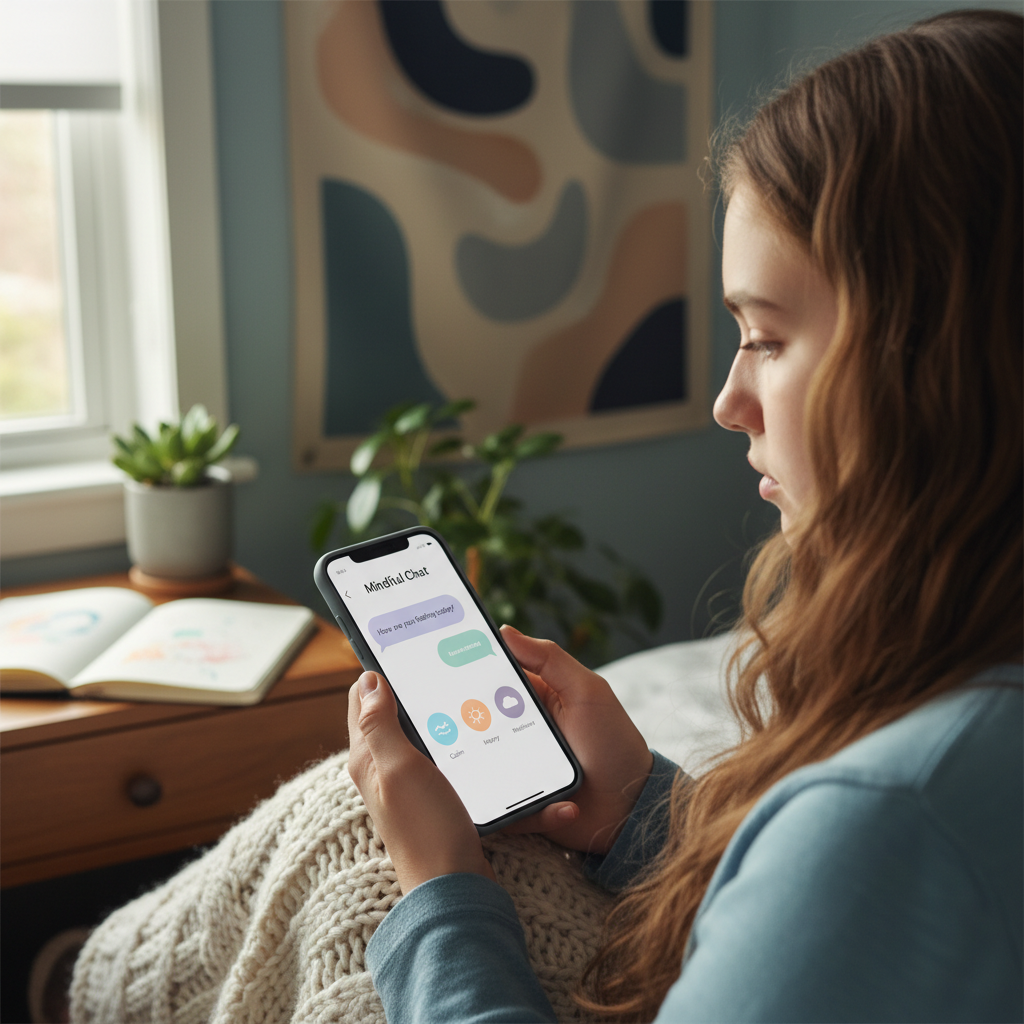
Symptoms of back-to-school anxiety
Children don't always have words for their emotions, but their behaviour often tells us how they're feeling. Every child is different, but parents may notice:
Emotional signs:
- Frequent worrying
- Nervousness, restlessness, anger, or irritability
- Feeling tearful or overwhelmed
Physical signs:
- Headaches
- Stomach aches
- Trouble sleeping
- Tiredness and/or sleeping more than usual
Behavioural signs:
- Refusing to go to school, get on the bus, or leave the car
- Persistently being late or wanting to leave early
- Being clingier than usual

How to help a child with anxiety about school
There are several strategies that families can employ to ease back-to-school anxiety. Implementing these can help your child feel more confident and prepared.
Remain calm - Children absorb any tensions around them. Staying calm helps prevent your own stress from fuelling theirs.
Listen and validate - Let them talk without interruption. Acknowledge their feelings without dismissing or over‑analysing them. Also, avoid repeatedly reassuring your child that nothing bad will happen - frequent reassurance can inadvertently maintain anxiety rather than reduce it.
Help their fears feel manageable - Gently remind them that it's normal to feel nervous when starting something new and settling in takes time.
Create predictability - Uncertainty can drive anxiety. Morning routines, visual schedules, and clear expectations help reduce it.
Familiarise the environment - A practice run of the journey or meeting a new teacher before the classroom is busy can reduce fear of the unknown.
Strategise together - Talk through practical plans to build confidence in their ability to cope. Examples include:
- How to make new friends
- What to do if they feel overwhelmed
- How to handle homework or exam stress
Praise effort, not perfection - Compliment the moments they handle stress well to boost their self-esteem and resilience.
Seek support when needed - Teachers, coaches, school nurses and counsellors can help children find their place in the school community. Feeling supported increases confidence and belonging.

How to ease your own back-to-school anxiety as a parent
It’s natural to worry when your child is struggling. But children become more confident when the adults around them remain calm.
A few helpful approaches:
- Talk to another trusted adult rather than asking your child leading questions like, “Are you worried about X, Y, or Z?”
- Build up commitments gradually while everyone settles into the new routine.
- Prepare the night before - packed bags, lunches made, clothes ready - to reduce morning stress.

What to do if back-to-school anxiety persists
Letting a child stay home when feeling anxious can unintentionally reinforce the idea that school is unsafe. Instead, remind them that anxiety is temporary. It rises, peaks, and fades when we allow it to pass through.
However, some children experience severe or persistent anxiety that requires professional support.
Seek help if you’re concerned about:
- An anxiety disorder (such as seperation anxiety or generalised anxiety disorder)
- Obsessive compulsive disorder
- A learning or neurodevelopmental condition (such as ADHD, autism, or dyslexia)
- Bullying or social difficulties
The sooner support is in place, the easier it is to rebuild confidence and routine.

Want monthly mental health insights?
Our free monthly newsletter offers clinically informed guidance on ADHD, autism, anxiety, depression, and more. You can sign up here.