
Should I have an autism assessment? Our guide for adults and parents
Clinically reviewed by Asst. Psych Jasmine Leyland
7 October 2026
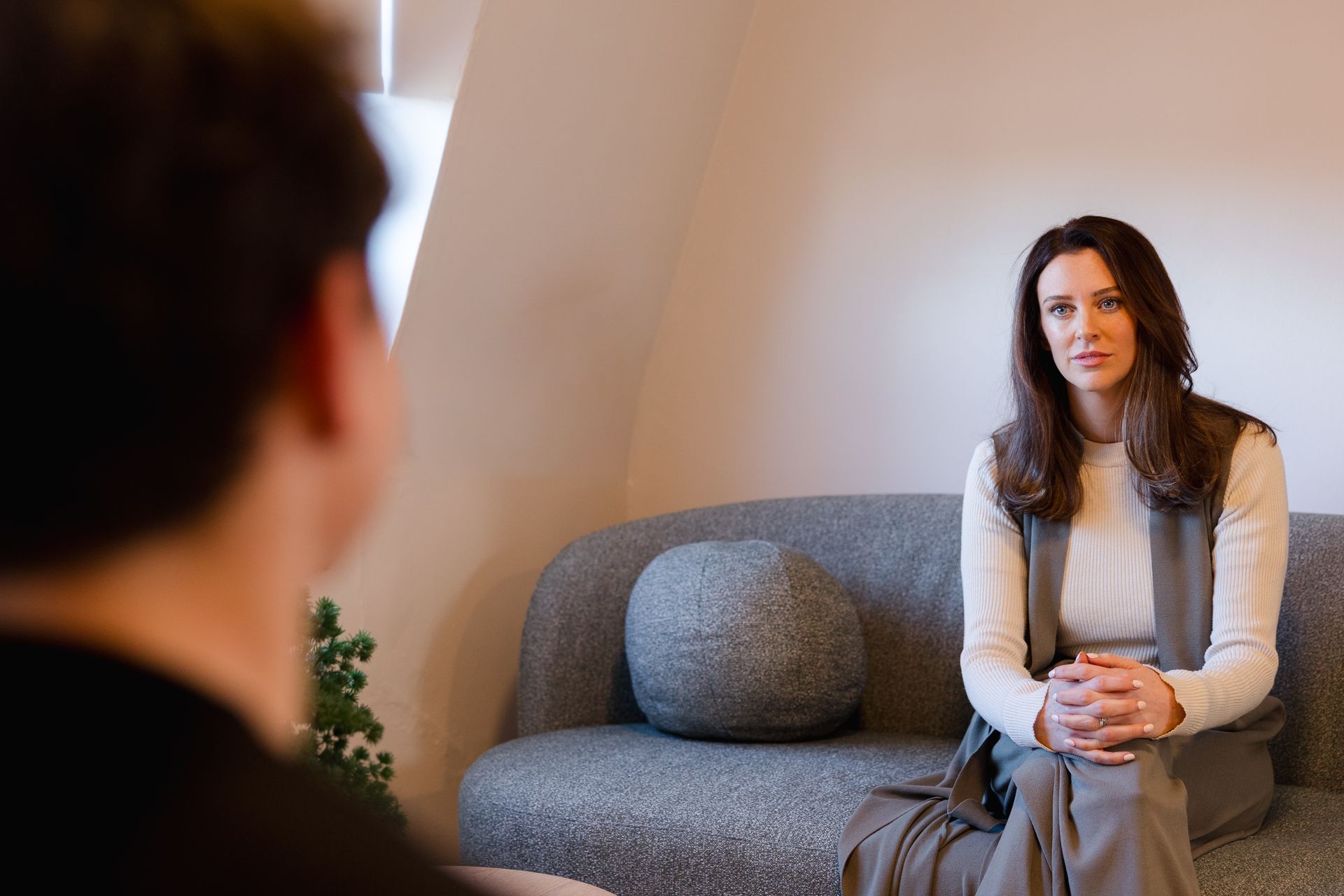
An autism diagnosis can be life-changing.
It can help validate the experiences of many autistic people, and for families, it can offer a deeper understanding of a loved one’s needs.
But not everyone wants a label, and many face barriers when accessing an assessment.
If you're unsure about seeking a diagnosis, here are some things to consider:
Benefits of an autism diagnosis
A formal assessment is the most reliable way to confirm autism and access support.
For someone who has felt “different” for a long time without really knowing why, it can offer answers and a language for their experiences. The more you understand yourself, the easier it becomes to advocate for your needs and protect your wellbeing.
For parents, partners, and grandparents, a diagnosis can help you understand your loved one more clearly, allowing you to offer support at the right time. It may open doors to professional help, such as reasonable adjustments at work or school, or access to benefits and social care.
Many people also find community through diagnosis. Meeting others with similar experiences can offer a greater sense of belonging. Some notice more understanding and less judgement from non‑autistic people once they have a formal explanation for their needs.
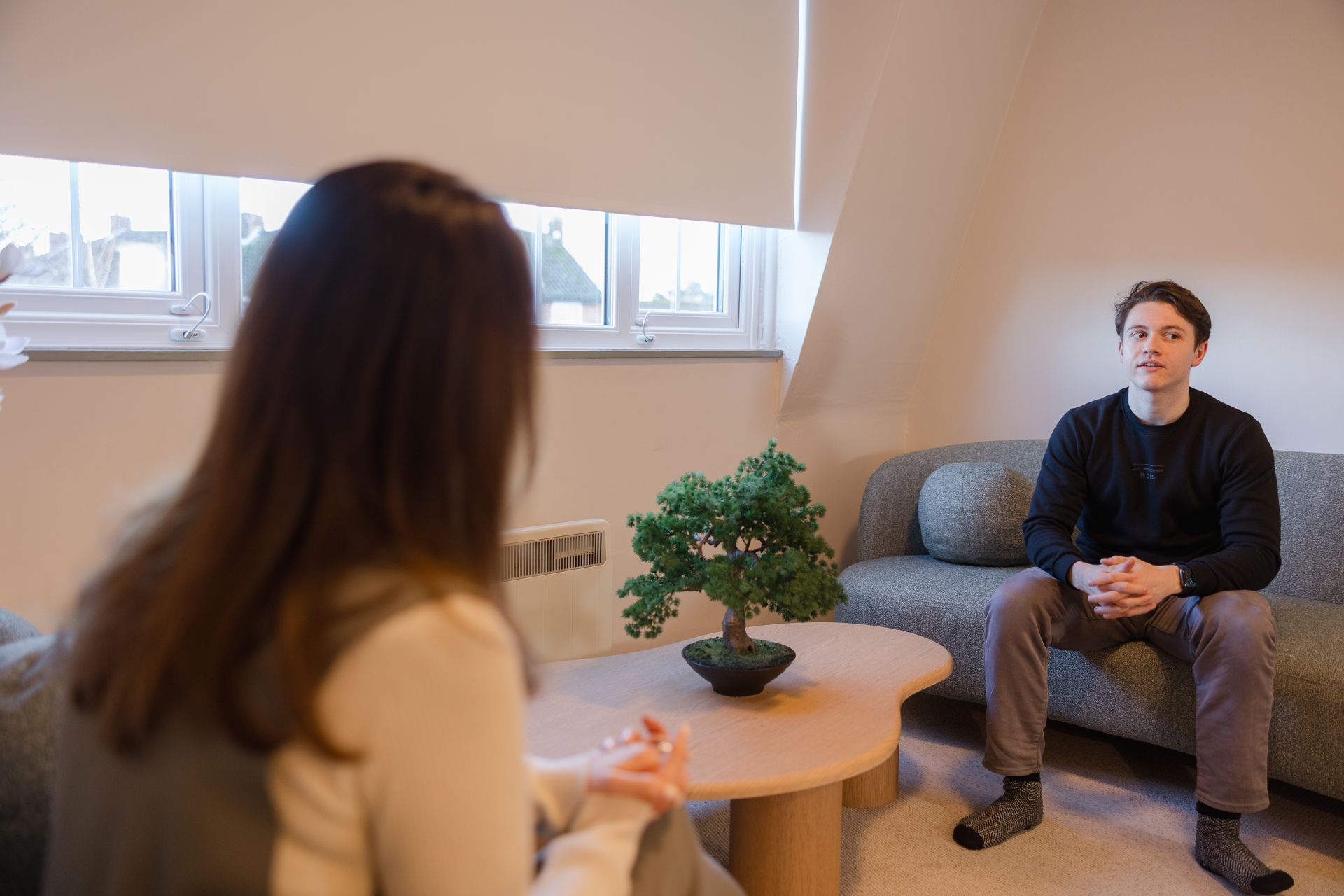
Why some people might choose not to seek an autism diagnosis
Seeking a diagnosis isn’t always straightforward. Referral pathways can be long and complex, and some people choose to self‑identify as autistic while they wait.
Others worry that a formal label might affect job prospects or change how people treat them. Self‑identifying can offer access to informal support without having to disclose a diagnosis in professional or social settings.
However, not everyone feels comfortable identifying as autistic without a formal assessment. With so much misinformation online, some people fear being judged or misunderstood without an official diagnosis.
Permission to be yourself
For many autistic adults, a diagnosis offers permission to live more authentically. It can give you confidence to reduce masking, communicate your needs without guilt, and show yourself compassion in relationships and overwhelming environments.
For families, a diagnosis can provide clarity to help you support your loved one without second‑guessing their needs.
Ask yourself: would a formal diagnosis, and the support it unlocks, make your life easier?
Looking for more mental health insights?
For a moment of calm delivered straight to your inbox every month, sign up for our free mental health newsletter - including insights into anxiety, depression, autism, and ADHD - here.