
What is anxiety? Symptoms, medication, and how to reduce anxiety immediately

Clinically reviewed by Asst. Psych Jasmine Leyland
Anxiety is a common mental health condition that can be confusing, overwhelming, and exhausting. This guide explains what it is, what it feels like, what causes it, and how to calm your mind quickly.
What is anxiety?
Anxiety is our body's natural defence mechanism.
We all feel it from time to time when we worry that something bad might happen. It's a normal response to high-pressure or dangerous situations, where the body releases hormones that make us more alert, careful, or quick to react. We call this the fight, flight, or freeze response.
Sometimes the body releases these hormones even when there's no real danger, and this shows up as anxiety.

Common symptoms of anxiety
People experience anxiety in different ways. Common symptoms include:
- Worrying a lot
- Snapping at others
- Feeling tired or restless
- Difficulty sleeping
- A faster heartbeat
- Headaches
- Stomach discomfort
- Pins and needles
Many people frequently worry about small or harmless things, feel a sense of dread without knowing why, or avoid situations that make them anxious. Over time, this can become overwhelming and make school, work, relationships, and daily life harder.
What causes anxiety?
Everyone experiences anxiety for different reasons. Common causes include:
- Trauma
- A difficult upbringing
- Money worries
- Health problems
- Bereavement
- Pressure at work or school
Understanding your triggers can help you put healthy coping techniques in place sooner.
How to reduce anxiety quickly
There are easy ways to calm anxiety in the moment:
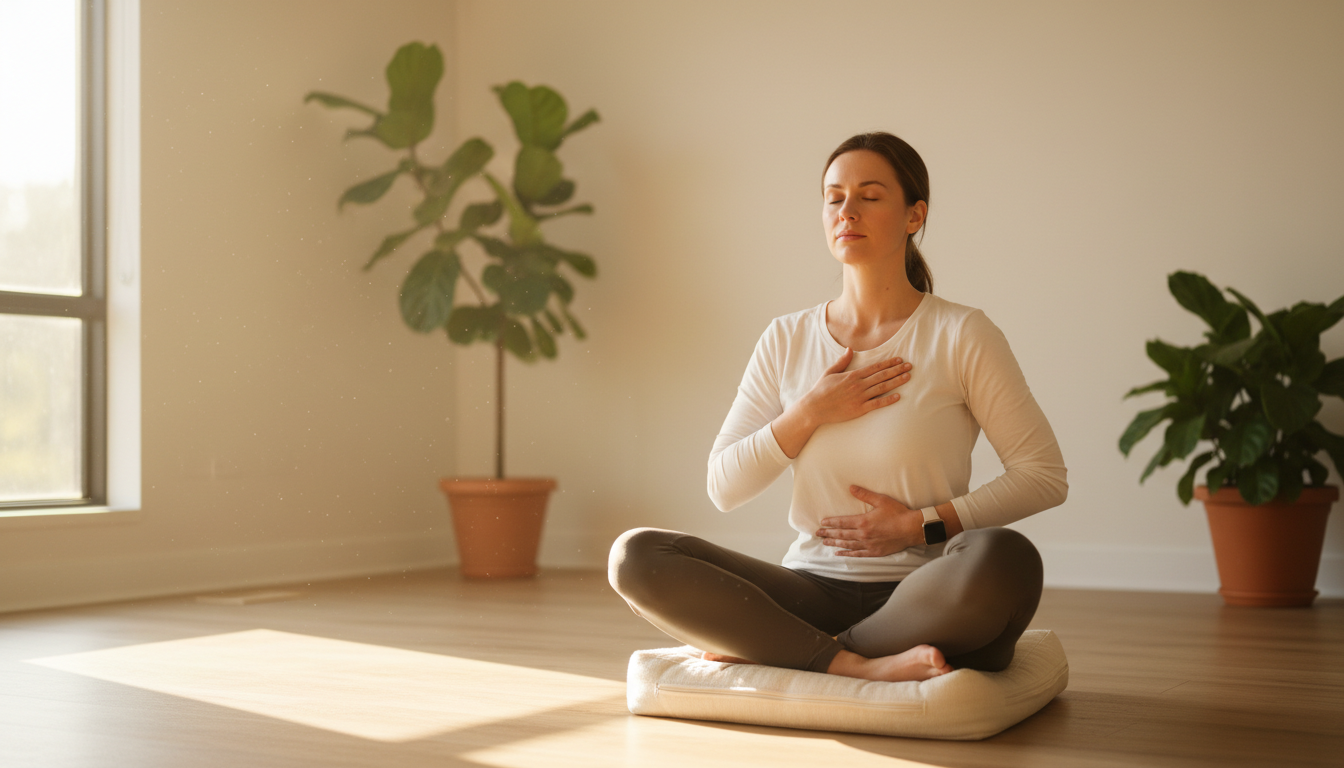
- Take slow, deep breaths - To signal safety to the body.
- Sit with the feeling - Anxiety often passes on its own.
- Focus on what you can control - Set boundaries around worrying.
Uncertainty can feel frightening, but the more we try to be certain, the more we dwell on our fears, and the more they affect our lives. Accepting uncertainty as part of being human can help stop anxiety from taking over.

Intrusive thoughts and anxiety
Intrusive thoughts that don't match your values can be distressing, but they're common - and they're just thoughts. Thinking something doesn't make it true, and it doesn't mean you agree with it.
Gently challenging your fears or slowly exposing yourself to them can make them feel less powerful. Talking to someone you trust can also ease shame and help you feel less alone.
Lifestyle changes to reduce anxiety
Eating well, exercising, getting enough sleep, being creative, and spending time in nature can support your wellbeing and make it easier to cope with overwhelm.
If you're regularly experiencing anxiety, you're not alone, and you're not "weak" or "failing". You're trying to cope in a modern world that often sets off our alarm systems unnecessarily.

Want more mental health insights?
For monthly guidance written with compassion, including insights into anxiety, depression, ADHD, and autism, you can sign up for our free newsletter here.